The Legend of Zelda Case Study: How Nintendo Revolutionized Gaming from Ocarina of Time to Breath of the Wild
A case study of The Legend of Zelda's evolution, exploring how Nintendo transformed 3D gaming with Ocarina of Time, redefined open worlds with Breath of the Wild, and created one of gaming's most influential franchises.
S
Shain Wai Yan
Author
#Branding Case Study#Consumer Psychology#The Legend Of Zelda
Introduction: A Franchise That Changed What Games Could Become
Some video game franchises become popular. Some become cultural icons. But only a few fundamentally change how the entire industry thinks about game design.
The Legend of Zelda is one of those rare franchises.
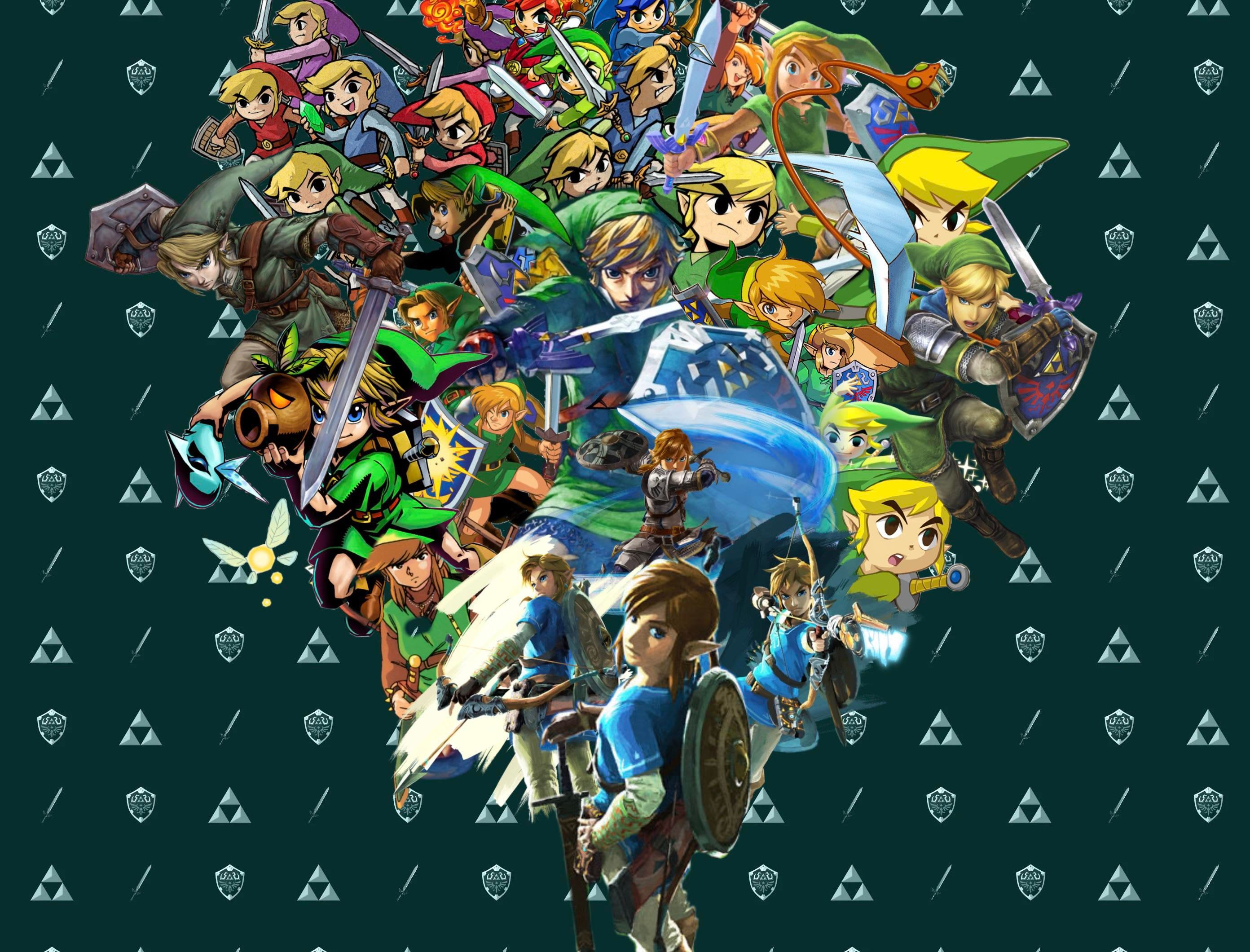
Created by Nintendo, Zelda has spent decades challenging the boundaries of adventure games — from creating one of the most influential 3D experiences ever made with The Legend of Zelda: Ocarina of Time to redefining modern open-world design with The Legend of Zelda: Breath of the Wild.
What makes Zelda special is not only its sales, characters, or legendary status. It is the philosophy behind every game:
Give players a world, give them tools, and let curiosity guide the adventure.
This philosophy has influenced generations of developers and continues to shape the future of gaming.
Nintendo: The Creator Behind The Legend of Zelda
The Legend of Zelda was created by Nintendo, a Japanese video game company founded in 1889 that later transformed from a playing card company into one of the world's most influential gaming companies.
The series was developed by legendary Nintendo creators including:
Shigeru Miyamoto — creator and producer known for shaping Nintendo's philosophy of exploration and gameplay innovation.
Eiji Aonuma — director and producer who became one of the key figures behind modern Zelda development.
The original Zelda released in 1986 introduced players to something unusual at the time: a world where exploration mattered more than simply following a linear path.
Instead of telling players exactly where to go, Nintendo created a feeling of discovery.
That idea became the foundation of the entire franchise.
Ocarina of Time: The Game That Revolutionized 3D Gaming
When Nintendo released The Legend of Zelda: Ocarina of Time in 1998 for the Nintendo 64, gaming was still discovering how to properly translate 2D experiences into three dimensions.
Many developers struggled with camera controls, navigation, and creating believable 3D environments.
Ocarina of Time solved many of those problems.
The Birth of Modern 3D Adventure Design
One of its biggest innovations was the Z-targeting system.
Instead of fighting against difficult camera controls, players could lock onto enemies and focus on combat.
This mechanic became a blueprint for countless future action games.
The game also introduced:
A living 3D world
Context-sensitive actions
Cinematic storytelling
Complex dungeon design
Time-based gameplay mechanics
Emotional character-driven storytelling
Many modern third-person action games still use design ideas influenced by Ocarina of Time.
One of The Highest-Rated Games in History
Upon release, Ocarina of Time received universal critical acclaim and became one of the highest-rated video games ever created.
Its influence was not only measured by reviews but by how many future developers studied its structure.
It proved that video games could be more than simple entertainment.
They could create worlds players emotionally connected with.
Breath of the Wild: Nintendo's Open-World Revolution
Almost two decades later, Nintendo once again challenged gaming conventions.
In 2017, The Legend of Zelda: Breath of the Wild launched alongside the Nintendo Switch and completely changed expectations for open-world games.
Before Breath of the Wild, many open-world games followed a familiar formula:
Large maps
Hundreds of markers
Repetitive side activities
Checklists of objectives
Nintendo took a different approach.
Instead of asking:
"How can we fill this world?"
Nintendo asked:
"How can we make this world interesting?"
The Philosophy of Freedom
Breath of the Wild gave players:
The ability to climb almost anywhere
Physics-based interactions
Multiple solutions to problems
Environmental experimentation
Freedom to approach challenges differently
A player could defeat an enemy camp using weapons, fire, electricity, explosives, weather effects, or creative environmental manipulation.
The game trusted the player's intelligence.
That trust became one of its greatest strengths.
Breath of the Wild's Influence on Modern Open-World Games
The success of Breath of the Wild influenced many modern game developers.
Its design philosophy can be seen in many newer open-world experiences, including games that combine exploration, progression systems, and constantly expanding worlds.
Many modern open-world and live-service games adopted ideas such as:
Exploration-driven maps
Vertical world design
Environmental puzzles
Player freedom
Discovery-based rewards
Even many popular open-world mobile games, including some successful gacha-based titles, adopted similar approaches:
Large explorable environments
Character-based progression
Frequent updates
Exploration rewards
Player-driven discovery
However, the important lesson from Zelda is not simply copying the size of the map.
The real innovation was creating meaningful interaction inside that world.
Tears of the Kingdom: Expanding the Blueprint
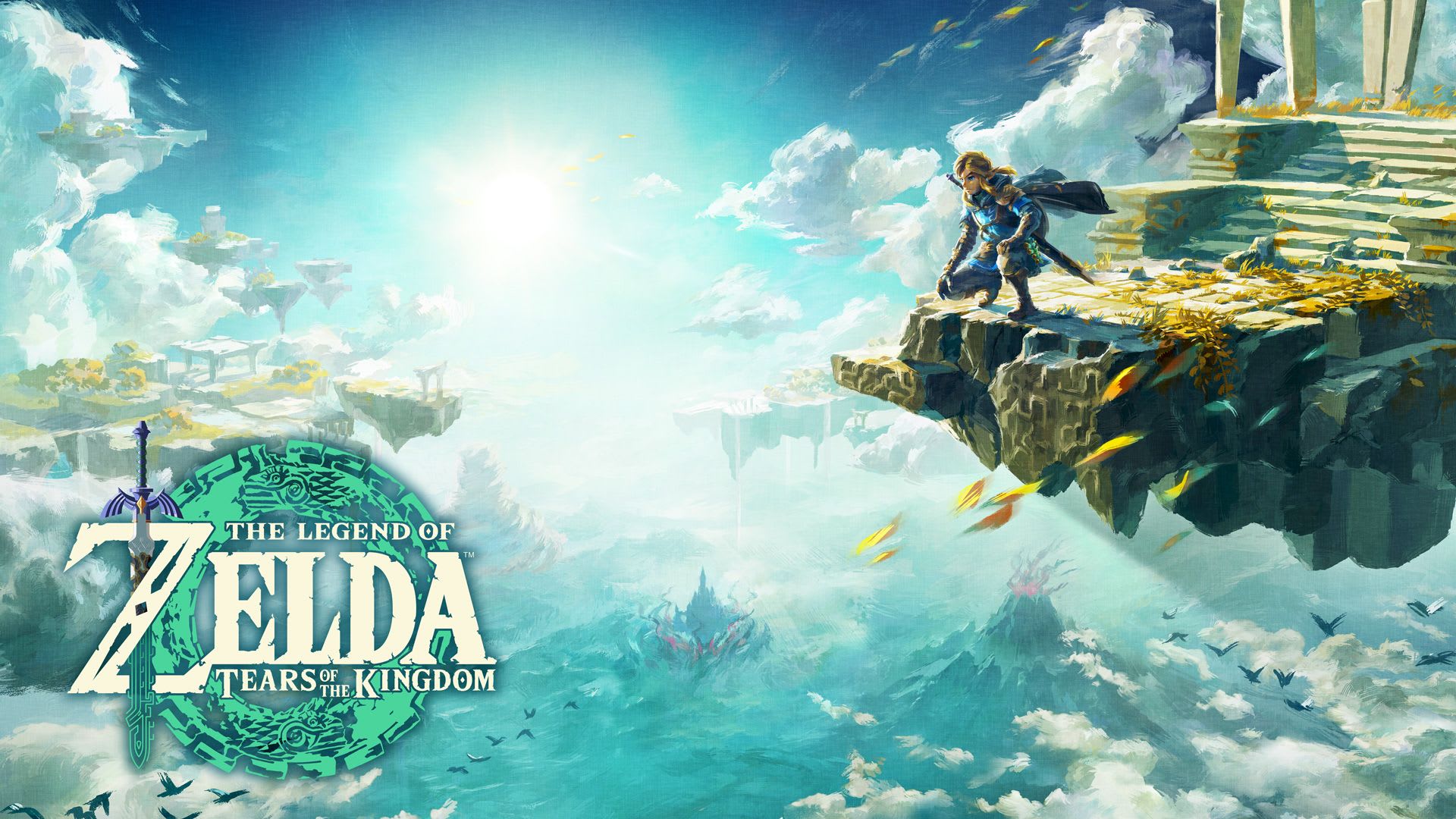
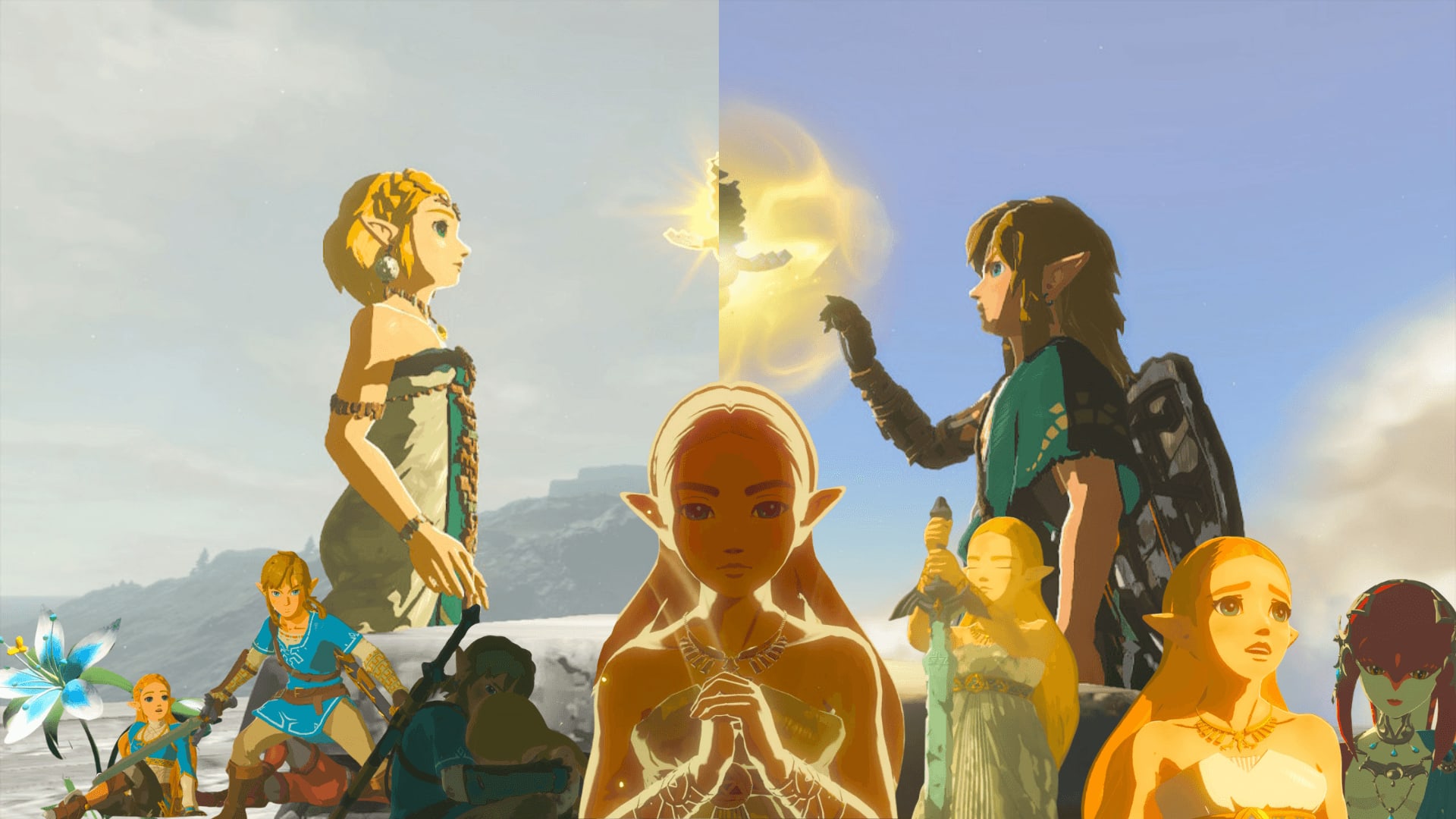
In 2023, Nintendo released The Legend of Zelda: Tears of the Kingdom, building upon Breath of the Wild's foundation.
Instead of simply creating another open-world adventure, Nintendo introduced new systems:
Ultrahand construction mechanics
Fuse weapon combinations
Recall time manipulation
Sky islands and underground exploration
The game transformed players from explorers into creators.
The question changed from:
"Where can I go?"
to:
"What can I create?"
This demonstrated Nintendo's ability to evolve instead of simply repeating success.
Marketing Analysis: Why Zelda Remains Powerful
From a marketing perspective, Zelda is an example of long-term brand building.
1. Consistent Brand Identity
Nintendo never positioned Zelda as just another action game.
The brand represents:
Adventure
Discovery
Creativity
Wonder
Every generation understands the feeling Zelda represents.
2. Innovation as Marketing
Nintendo rarely markets Zelda only through features.
Instead, it markets experiences.
For Breath of the Wild, the strongest message was not:
"We created a bigger map."
It was:
"You can go anywhere and do anything."
The gameplay itself became the marketing.
3. Community and Word of Mouth
Zelda benefits heavily from organic marketing.
Players share:
Unexpected discoveries
Creative solutions
Funny gameplay moments
Emotional experiences
This creates a community-driven marketing cycle.
The players become storytellers.
My Personal Zelda Journey: From Emulator to Nintendo Switch
My relationship with Zelda started before I owned Nintendo hardware.
Like many fans who grew up without access to every gaming platform, I experienced Zelda through a mobile emulator.
Even though the experience was not the same as playing on original hardware, it introduced me to the magic of the series.
The world design, music, exploration, and sense of adventure stayed with me.
When the Nintendo Switch was released, one of my biggest reasons for wanting the console was simple:
I wanted to experience Zelda properly.
Years later, that dream finally became reality.
Last month, I finally bought my own Nintendo Switch.
The first major journey I wanted to experience was Zelda.
After spending more than 70 hours exploring Hyrule, fighting enemies, solving puzzles, collecting equipment, and experiencing the story, I finally completed the game.
Seeing the world that I had once only imagined through an emulator become something I could physically experience was a special moment.
It was not just playing a game.
It was completing a personal journey that started years ago.
Final Thoughts: Why Zelda Will Always Matter
The Legend of Zelda is more than a video game franchise.
It is a case study in innovation, creativity, and long-term brand building.
Ocarina of Time showed the world how 3D adventures could work.
Breath of the Wild showed the industry how open worlds could feel alive.
Tears of the Kingdom showed that even successful formulas can continue evolving.
Nintendo's greatest achievement is not simply creating great games.
It is creating experiences that inspire players to explore, experiment, and remember their adventures years later.
And for me, finally holding a Nintendo Switch and exploring Hyrule after years of waiting was proof of why Zelda continues to capture the imagination of millions of players around the world.