In the world of marketing, there's a frustrating paradox: you need experience to get a job, but you need a job to get experience. So, how do you break the cycle?
The answer isn't in your resume—it's in your portfolio.
A resume tells people what you’ve studied. A portfolio shows them how you think, what you can do, and the value you can create. For aspiring marketers, it’s the single most powerful tool for bypassing the "entry-level experience" requirement.
This guide is an actionable blueprint for building a marketing portfolio and personal brand from zero. Let's build your future.
Step 1: Lay the Foundation: Define Your Marketing Brand
Before you market a product, you must learn to market yourself. A strong personal brand acts as a filter, attracting the right opportunities and telling recruiters exactly who you are at a glance.
Start by asking yourself three core questions:
- What’s My Niche? Marketing is vast. Are you drawn to the data-driven world of SEO and analytics, the creative storytelling of content marketing, the fast-paced environment of social media, or the strategic thinking of brand management? Initially, you can be a generalist, but having a "T-shaped" focus (broad knowledge, deep expertise in one area) is powerful.
- What Are My Core Values? Are you passionate about sustainability, tech innovation, or helping small businesses grow? Your values become your voice.
- What Is My Unique Value Proposition? How do you want a hiring manager to describe you after visiting your LinkedIn profile? "Creative problem-solver," "data-savvy storyteller," or "community-focused strategist"?
Once you have these answers, infuse this identity across your digital footprint—your LinkedIn bio, your profile picture, and the tone of your content.
Step 2: Choose Your Platform: Where Will Your Portfolio Live?
Your portfolio website is your digital headquarters. It doesn’t need to be expensive or complex. The goal is to have a professional, easy-to-navigate space to showcase your work.
- No-Code & Beginner-Friendly:
- Canva: Now offers simple, beautiful one-page website templates.
- Notion: Incredibly flexible for creating clean case studies and embedding content.
- Google Sites: Free, simple, and integrates perfectly with other Google tools.
- Carrd: Excellent for creating sleek, single-page portfolios.
- For More Customization:
- Wix / Squarespace: Offer more design flexibility with user-friendly drag-and-drop builders.
- Framer: A powerful tool that bridges the gap between design and development.
What Should I Put in a Marketing Portfolio with No Experience?
This is the most common question, and the answer is simpler than you think. Every portfolio should include:
- A Compelling "About Me" Page: Briefly tell your story. What got you into marketing? What are you passionate about learning?
- Your Projects / Case Studies: This is the core. We’ll cover this in the next step.
- A "Skills & Certifications" Section: List your hard skills (e.g., Google Analytics, Canva, SEMRush) and showcase relevant certifications.
- A Blog or "Insights" Section: A space to share your thoughts on industry trends.
- Clear Contact Information: Make it easy for people to connect with you via email or LinkedIn.
Step 3: The Heart of Your Portfolio: Create Compelling Mock Projects
This is where you turn theory into tangible proof. Mock projects demonstrate your skills more effectively than any resume bullet point. Don't just make something—solve a problem.
Ideas for Mock Marketing Projects:
- Social Media Strategy: Choose a local small business you love that has a weak social media presence. Create a 3-month content strategy for them, complete with platform choice, content pillars, and example posts created in Canva.
- SEO & Content Audit: Pick a brand's blog and use free tools like Ubersuggest or Google's keyword planner to perform a basic keyword gap analysis. Propose 3-5 new blog topics based on your research and write one of them.
- Google Ads Campaign Mockup: Imagine you have a $1,000 budget to launch a new product. Use Google's Keyword Planner to research keywords, define ad groups, and write compelling ad copy for a search campaign.
- Email Marketing Mini-Campaign: Choose a brand and design a 3-part welcome email series using Mailchimp’s free plan. Explain the strategy behind each email (e.g., welcome & offer, social proof, final call-to-action).
- Brand Repositioning: Take a product you think is poorly marketed. Create a new value proposition, define a new target audience, and design new visual concepts in Canva or Figma.
How to Structure Your Project as a Case Study
Don’t just show the final product. Explain your thinking. Use the STAR method (Situation, Task, Action, Result) to frame each project.
- Situation: What was the problem or opportunity? (e.g., "Local coffee shop X had low engagement on Instagram.")
- Task: What was your goal? (e.g., "To develop a strategy to increase engagement and foot traffic.")
- Action: What specific steps did you take? (e.g., "I performed a competitor analysis, identified three content pillars... I created a content calendar and designed 15 unique posts in Canva...")
- Result: What was the hypothetical outcome? (e.g., "This strategy is projected to increase engagement by 25% and provides a clear content system for the owner.")
Step 4: Amplify Your Work: Turn LinkedIn into a Personal Branding Engine
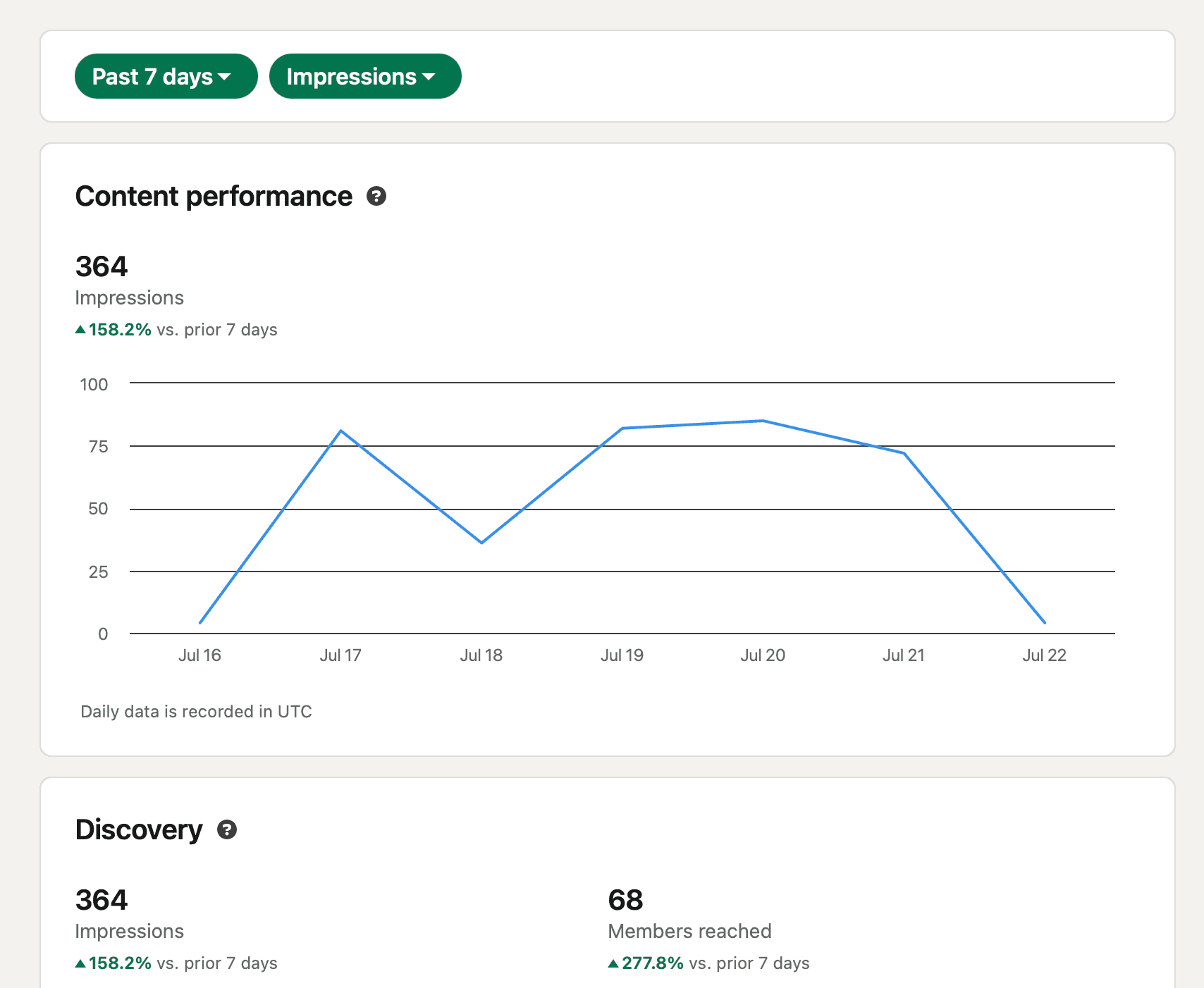
LinkedIn is not just an online resume; it's a content platform. Use it to document your journey and prove your passion.
- Share Your Mock Projects: Write a post summarizing the case study you published on your portfolio. Share visuals and ask for feedback.
- Document Your Learning: Finished a HubSpot course? Don't just post the certificate. Write a post about the #1 thing you learned and how you plan to apply it.
- Talk About Marketing You See: Analyze a Super Bowl ad, a clever email campaign you received, or a brand's brilliant social media reply. Break down why it worked.
- Engage Meaningfully: Don’t just comment "great post." Add to the conversation. Ask questions. Offer your perspective. Your comments are part of your brand.
Step 5: Earn Credibility with Strategic Certifications
Certifications show initiative and provide foundational knowledge. But their real power comes when you apply them.
Top-Tier Free Certifications:
- Google Digital Garage (Fundamentals of Digital Marketing)
- Google Analytics 4 Certification
- HubSpot Academy (Content Marketing, Inbound Marketing, Email Marketing)
- Meta Blueprint (Digital Marketing Associate)
- SEMRush Academy (SEO Fundamentals)
The Key: After completing a certification, immediately use that knowledge in a new mock project. Finish the Google Ads course? Build a mock campaign. This shows you can translate knowledge into action.
Conclusion: From Aspiring Marketer to In-Demand Candidate
A resume gets your name on a list; a portfolio gets you the interview.
By building in public, creating tangible proof of your skills, and strategically crafting your personal brand, you are no longer a candidate "without experience." You are a proactive, self-starting marketer who is already doing the work.
You have everything you need to start—free tools, endless inspiration, and your own ambition. Stop waiting for permission. Start building today.


