Snapping It Together: A Case Study on LEGO’s Omnichannel Masterclass
When you put Messi, Ronaldo, Mbappé, and Vini Jr. in the same room, people are going to ask questions. Discover how LEGO weaponized skepticism to build the ultimate omnichannel marketing campaign ahead of the 2026 World Cup.
S
Shain Wai Yan
作者
#Case Study#Lego
In the high-stakes arena of global sports marketing, capturing the world’s attention usually requires an astronomical media spend. But sometimes, all you need is the right pieces, snapped together at the exact right moment.
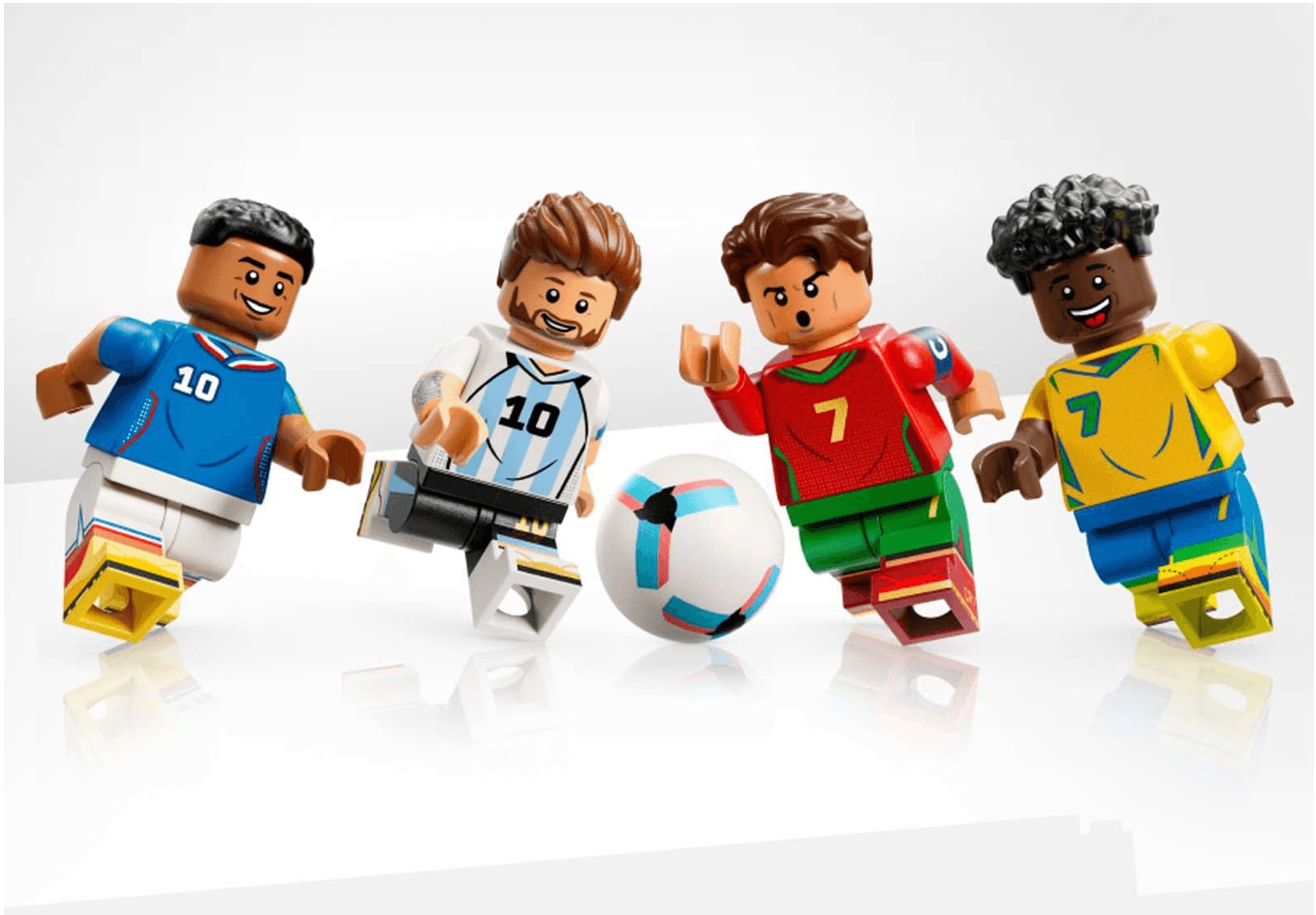
When LEGO launched its “Everyone wants a piece” campaign ahead of the 2026 FIFA World Cup, it didn't just release an ad. It executed a viral masterclass in digital account strategy, earned media value, and cross-generational positioning. Featuring football’s Mount Rushmore—Lionel Messi, Cristiano Ronaldo, Kylian Mbappé, and Vinícius Júnior—the campaign practically broke the internet, racking up over 314 million views in 24 hours.
Here is an analytical breakdown of how LEGO built the ultimate marketing campaign, brick by meticulously placed brick.
1. The PR Hook: Manufacturing "Disbelief"
In an era where audiences are hyper-skeptical of what is real, LEGO did something brilliant: they weaponized the skepticism.
Seeing four of the world’s most heavily scheduled, highly paid athletes sitting casually around a table is a logistical nightmare. People immediately questioned it. Was it deepfaked? Was it CGI? LEGO anticipated this response and struck first with the hashtag #HonestlyItsNotAI.
By explicitly addressing the elephant in the room, they transformed passive viewers into active debaters. This wasn't just a commercial anymore; it was a puzzle. As behind-the-scenes rumors leaked about the clever use of body doubles and CGI face-mapping, the conversation exploded. The brand engineered its own PR storm, achieving massive organic reach without having to pay for it. It is a brilliant example of using strategic constraints—like the impossibility of getting these four in one room—to fuel, rather than hinder, the final product.
2. Omnichannel Execution: The Coordinated Drop
Great creative falls flat without flawless digital account execution. Instead of relying solely on LEGO’s owned corporate channels, the campaign leveraged the ultimate distribution network: the players themselves.
By coordinating simultaneous posts across the personal Instagram accounts of Messi, Ronaldo, Mbappé, and Vini Jr., LEGO bypassed traditional ad-buying hurdles and tapped directly into an engaged, multi-hundred-million-follower ecosystem. This synchronized drop manipulated the social media algorithms perfectly, creating an inescapable cultural moment. You didn’t have to follow LEGO or even care about toys to see it; if you cared about culture, it was on your feed.
3. Assembling the TAM: Cross-Generational Appeal
Look closely at the casting. It isn’t just four famous guys; it is a meticulously crafted Venn diagram designed to maximize the Total Addressable Market (TAM).
The Legacy Anchors: Messi and Ronaldo tap into prestige and deep nostalgia. For older fans, seeing them together evokes the premium, high-art feel of that legendary 2022 Louis Vuitton chess ad.
The Future Kings: Mbappé and Vini Jr. pull in Gen Z and the digital-native demographic.
LEGO effectively covered both ends of the football fandom spectrum, ensuring the campaign resonated whether you grew up watching the sport on an analog TV or via TikTok highlight reels.
4. Product-Led Storytelling (Without the Hard Sell)
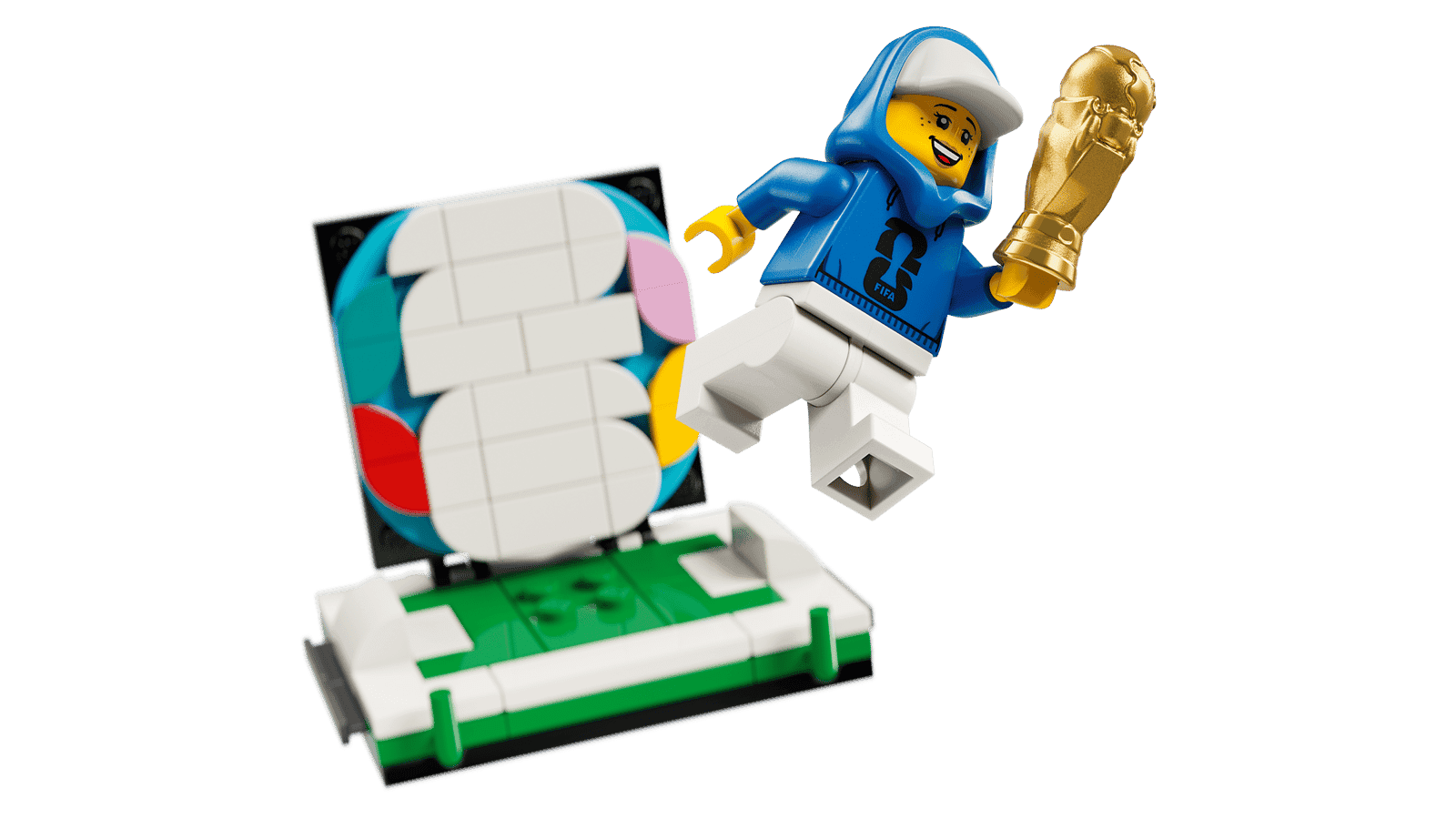
The genius of “Everyone wants a piece” lies in its double meaning. Yes, every nation wants to win the World Cup, but the "piece" is literally a LEGO brick.
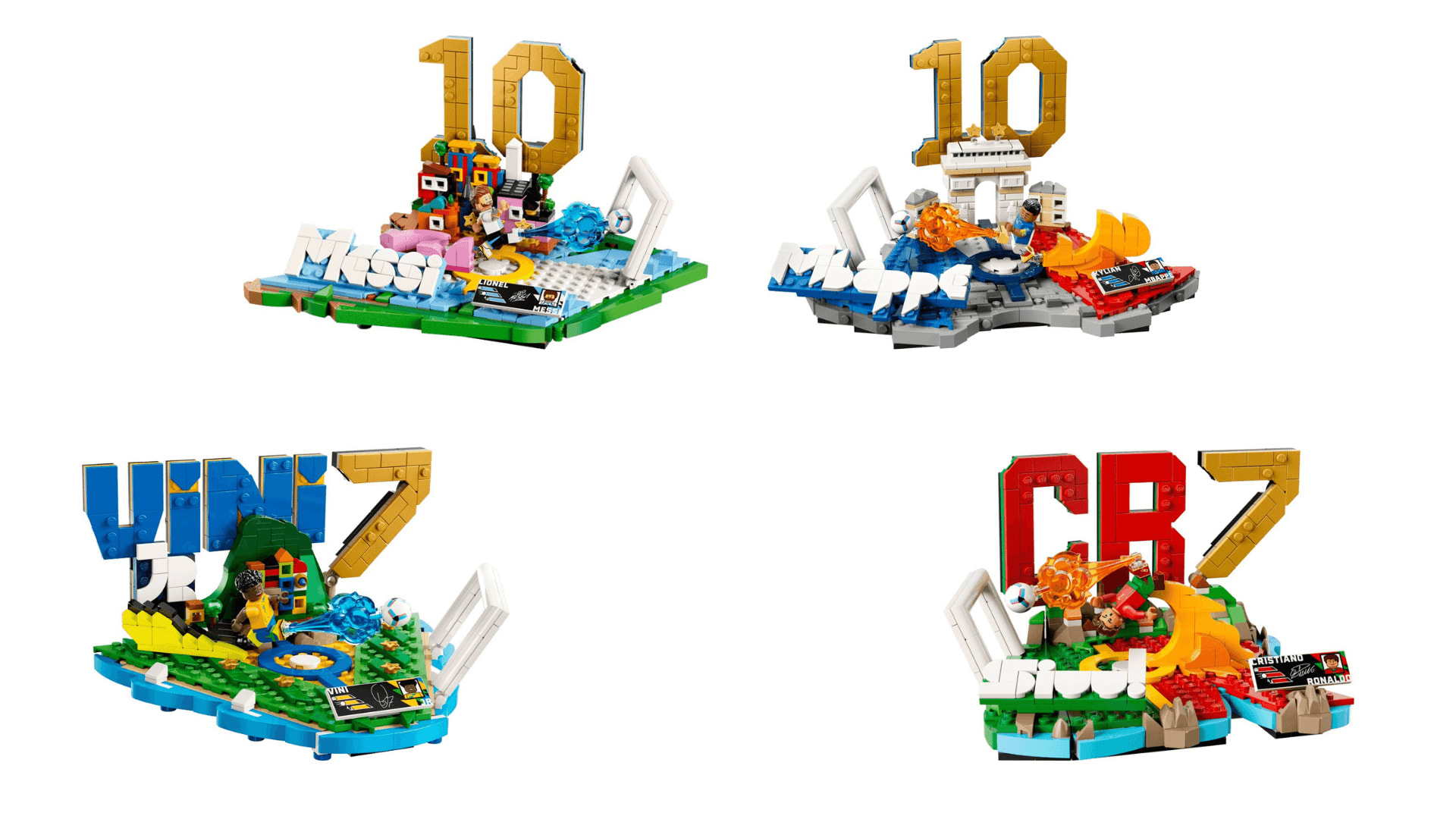
Often, celebrity endorsements feel bolted on—a famous face holding a product they clearly never use. Here, the product is the narrative. The athletes are competing to build the trophy, keeping the product front and center. This storytelling flows seamlessly into the actual conversion funnel. When the new "LEGO Editions" sets drop on May 1st, featuring bespoke M, R, and V-shaped bases packed with biographical easter eggs, the consumer doesn't feel like they are buying merchandise. They feel like they are buying a piece of the story.
The Final Whistle
LEGO’s World Cup campaign proves that even the most established legacy brands can innovate their digital marketing strategies. By combining a provocative PR angle, flawless cross-channel execution, and deep product integration, they created an omnichannel triumph.
It is a reminder that in modern marketing, you don’t always need to reinvent the wheel. Sometimes, you just need to know how to stack the blocks perfectly to achieve a 99/100 performance score.